Blog
Pediatric Sleep Safety
The ABCs of Safe Sleep:
As a pediatric sleep coach, one of the most vital foundations we build with families is safe sleep. While the guidelines are seemingly simple, the world of baby products and well-meaning advice can often muddy the waters. Let's cut through the noise and revisit the ABCs of safe sleep, focusing on the evidence-based practices that significantly reduce the risk of SIDS and other sleep-related infant deaths.
The ABCs: The Core Principles
These three principles form the most effective strategy for creating a safe sleep environment:
A is for Alone: The recommendation is for your baby to sleep alone in their own dedicated sleep space. This means no loose blankets, no pillows, no stuffed animals, and no other people or pets in the crib with them. While the desire to keep your baby close is natural, research consistently shows that independent sleep in a separate, safe space is the lowest-risk option.
B is for Back: Always place your baby on their back to sleep, for every nap and every night. This recommendation dates back to the "Back to Sleep" campaign, which successfully reduced SIDS rates. Once babies can consistently roll over from back to tummy and tummy to back on their own, you do not need to reposition them if they roll during sleep.
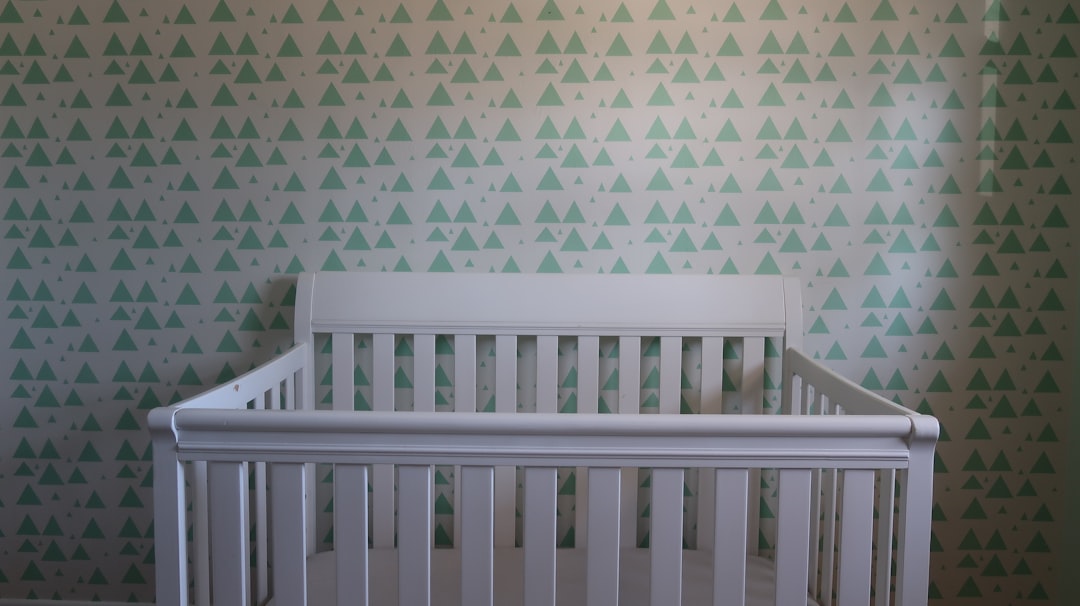
C is for Crib (or Approved Sleep Surface): Your baby’s sleep space must be a firm, flat surface in an approved crib, bassinet, or play yard that meets current safety standards. This requires a firm mattress and a tightly fitted sheet, and absolutely nothing else inside the sleep area.
Addressing Popular Products and Sensitive Topics
Now, let's tackle some of those common questions and trendy items that often pop up:
1. Bed-Sharing and Co-Sleeping:
The Recommendation: The American Academy of Pediatrics (AAP) advises against bed-sharing due to a significantly increased risk of SIDS and accidental suffocation. Risks are particularly heightened if parents are fatigued, using substances, or if the baby is premature or low birth weight.
A Safe Alternative: room-sharing—where the baby sleeps in their own safe crib/bassinet in the parents' room—is strongly recommended, as it has been shown to reduce SIDS risk.
2. Weighted Sleep Sacks and Swaddles:
The Concern: These products, which contain added weight, are marketed to mimic a comforting hug.
The Evidence: Leading safety organizations do not recommend weighted sleep products. The added weight may impair a baby's ability to rouse themselves, which is a natural protective mechanism against SIDS. Stick to lightweight, non-weighted sleep sacks or swaddles (when appropriate).
3. Sleep Positioners, Wedges, and Bumpers:
The Evidence: These products are not recommended and should not be used. Crib bumpers (padded or mesh) and any sleep positioners pose a risk of suffocation, entanglement, or entrapment. A firm, flat sleep surface is always the safest choice.
Your baby's safety is the priority. By following the ABCs and making informed decisions about sleep products, you provide the most secure environment for your little one to rest. Always consult with your pediatrician if you have specific concerns.
Want to learn more? Book your 30-minute Sweet Dreams Starter Call today and discover how I can help your family enjoy the gift of sleep.
Yours in sleep,
Tracie / Rest Well Baby
www.restwellbaby.com
Tracie Kesatie is a Certified Gentle Sleep Coach dedicated to helping families with little ones 0-10 years of age achieve a restful night's sleep.
Disclaimer: This article provides general information and is not intended as medical advice. Always consult with your pediatrician for any concerns about your child's health.

Blog