
Blog
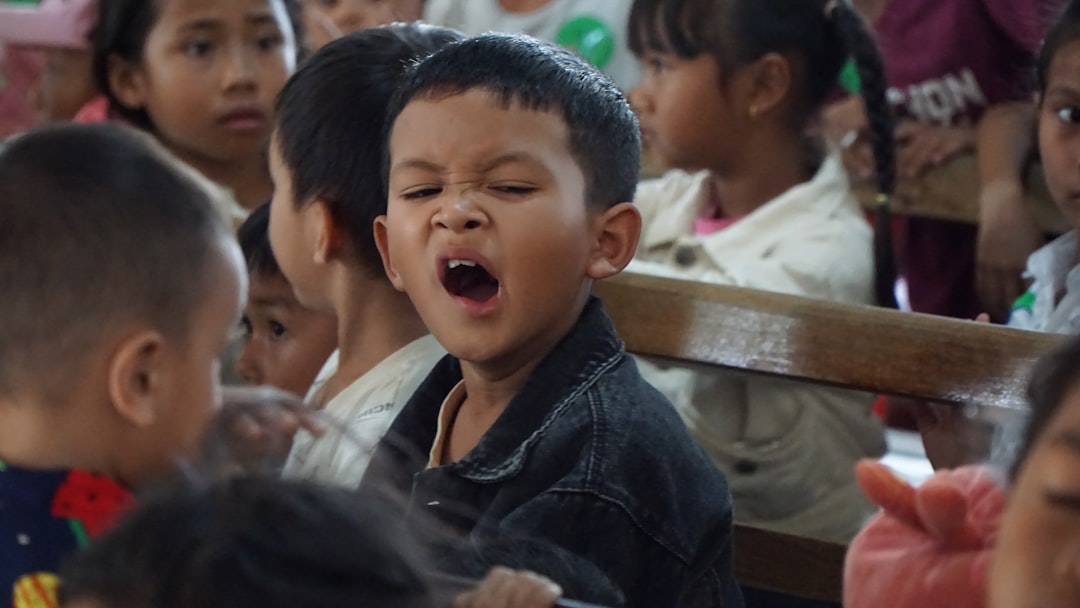
Is Your Child Mouth Breathing? Why it’s the Missing Sleep Piece
Is Your Child Truly a "Bad Sleeper"? Why the Airway is the Missing Piece of the Puzzle
As a pediatric sleep coach, I often meet parents who feel like they’ve tried everything. They’ve adjusted schedules, perfected the sleep environment, and followed every sleep training method in the book, yet their child is still restless, irritable, or waking frequently.
When "traditional" sleep habits aren't the issue, it’s time to look deeper. In my practice at Rest Well Baby, I take a holistic view of sleep. While wake windows and routines are essential, they are only pieces of a much larger puzzle. One of the most overlooked—and most critical—pieces of that puzzle is how your child is breathing.
The "Silent Sleep" Standard
In the world of pediatric health, we have a gold standard: sleep should be silent and effortless. The mouth should be closed, and breathing should happen exclusively through the nose.
While many believe that a "cute little snore" is harmless, the American Academy of Pediatrics (AAP, 2012) is clear: habitual snoring is not "normal" for children. It is a primary red flag for Sleep-Disordered Breathing (SDB). If a child is physically struggling to get air, no amount of "sleep training" or schedule shifting will solve the root cause of their wakefulness.
The Great ADHD Masquerader
Perhaps the most startling impact of a restricted airway is how it manifests in a child’s behavior. When a child’s breathing is labored, they are constantly jerked out of deep, restorative sleep. This "fragmented sleep" keeps the body in a state of chronic stress.
Research has shown that airway issues are a known "masquerader" of ADHD. A landmark study of over 11,000 children found that those with breathing struggles were 40% to 100% more likely to exhibit ADHD-like symptoms by age seven (Bonuck et al., 2012).
Red Flags Hiding in Plain Sight
Airway issues don't always look like gasping for air. Often, the signs are more subtle:
Teeth Grinding (Bruxism): This is often a survival mechanism where the brain triggers the jaw to move forward to manually open a collapsing airway (Junqueira et al., 2015).
Mouth Breathing: Chronic mouth breathing bypasses the nose’s natural ability to filter air and actually "corrupts" facial and jaw development over time (Guilleminault et al., 2016).
Restless Sleep: If your child "gymnasts" around the bed or sleeps with their neck arched back, they are likely seeking a position that keeps their airway open.
An Airway-First Approach to Sleep
Early intervention is life-changing. Whether it is a referral to a pediatric ENT for enlarged tonsils or working with an airway-focused dentist to address a narrow palate, fixing the "pipe" can resolve behavioral, dental, and physical health struggles.
At Rest Well Baby, my mission is to look deeper than just schedules and wake windows. I prioritize a holistic, evidence-based approach that ensures your child isn't just "sleeping"—they are resting, growing, and thriving. If you've been struggling with your child's sleep and feel like something is missing, it’s time to look at the airway.
Want to learn more? During my Sweet Dreams Call, we can screen for these underlying issues together and discuss the best path forward for your child's restorative sleep.
Yours in sleep,
Tracie / Rest Well Baby
www.restwellbaby.com
Tracie Kesatie is a Certified Gentle Sleep Coach dedicated to helping families with little ones 0-10 years of age achieve a restful night's sleep.
Disclaimer: This article provides general information and is not intended as medical advice. Always consult with your pediatrician for any concerns about your child's health.
© 2026 Rest Well Baby. All Rights Reserved.

Blog