Blog
Diaper Bag Must Haves
The Prepared Parent: How to Pack a Diaper Bag That Saves the Day
The diaper bag is your mobile base camp. But instead of dragging the whole heavy bag into every small restroom, let's simplify your life with the Two-Bag System.
This system organizes your bag into two parts:
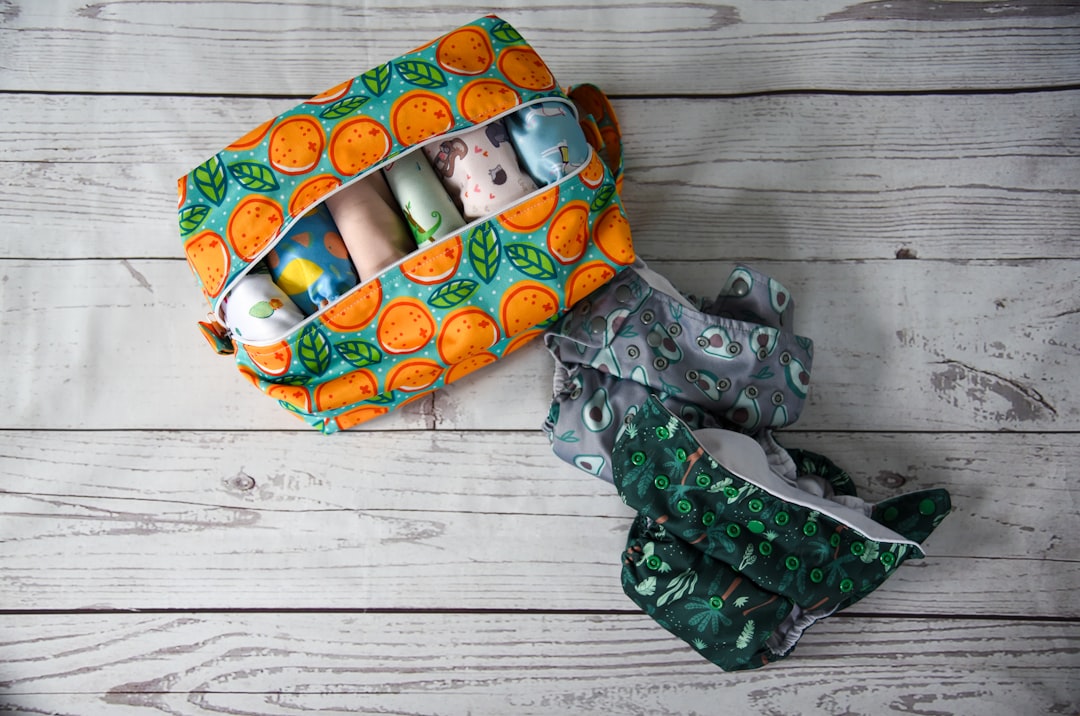
The Quick-Change Kit: A small pouch that holds only the bare minimum for one diaper change. You grab this and go.
The Base Camp: The main bag that holds all your bulk items, food, and backups.
Here is your comprehensive guide to packing your essentials, starting with the items you need most frequently.
🧻 Zone 1: The Diapering Command Center (The Core Essentials)
This zone contains everything related to the most frequent task. Organize these items so they are easily accessible for filling both your Quick-Change Kit and your main storage.
The Bulk Supply (Base Camp): Use the Rule of Three: one diaper for every three hours you'll be out, plus three extra for good measure. A large, full pack of wipes should also live here.
The Quick-Change Kit (Your Pouch): Fill a small, separate zippered pouch with only two diapers, a travel-size pack of wipes, and a small tube of diaper cream. This is the pouch you grab when you head to the changing station.
Changing Pad: Keep this portable pad near the top of the main bag for easy access.
Containment: A roll of small trash bags (like dog waste bags) is critical for sealing up dirty diapers and isolating wet or soiled clothes.
🍼 Zone 2: Fueling the Mission (Immediate Sustained Needs)
These items are often needed upon arrival or soon after and should be in a separate, insulated pocket of the main Base Camp bag.
Bottles & Formula: If bottle-feeding, use a formula dispenser with pre-measured scoops. Keep a sealed container of water separate. If using breast milk, utilize an insulated pocket with an ice pack.
Burp Cloths/Bibs: Pack at least two absorbent burp cloths and a bib to act as protective shields against spit-up and food splatters.
Snacks for Toddlers: For older kids, having non-perishable "emergency snacks" like granola bars or pouches stashed away can prevent a meltdown before dinner.
Nursing Essentials: A small nursing cover and breast pads, if needed.
🧸 Zone 3: Emergency Overhaul & Comfort (The Base Camp Backups)
These items are your insurance policy—you don't need them often, but when you do, you need them immediately. Keep these organized in a dedicated, deeper compartment of the Base Camp.
The Full Spare Outfit: Pack a head-to-toe change for the baby: onesie, pants, and socks. Place this set inside a large Ziploc bag. If an outfit gets soiled, you simply put the dirty clothes into that same bag and seal it—no smell, no mess in the bag.
Mom/Dad T-Shirt: Seriously, pack an extra top for yourself! One unexpected, massive spit-up on your shoulder can ruin your day, but a clean shirt can fix it instantly.
Diapers (The "Rule of Three"): This is where your bulk supply lives: one diaper for every three hours you plan to be out, plus three extra for good measure.
Soothers and Distractions: A spare pacifier in a clean container, a favorite teether, or a small, lightweight book are invaluable tools for distraction during long lines or waiting rooms.
🔑 Zone 4: The Personal Side (Parent's Tools)
Don't forget the tools you need to function effectively! A prepared parent is a calm parent. These items belong in exterior, easily accessed pockets.
Wallet/Keys/Phone: Keep your personal items in a dedicated zippered compartment that is easily accessible but secure. No one wants to dig for keys with a baby on their hip.
Hand Sanitizer: Use it before and after handling food or diapers.
Travel First Aid: A tiny kit with band-aids and baby-safe pain relievers.
By adopting the Two-Bag System and using pouches and clear organizational zones, you can pack like a seasoned pro and eliminate the stress of searching for a tiny sock or a much-needed bottle. Preparation doesn't prevent messes, but it ensures you can handle them gracefully.
Want to learn more? Book your 30-minute Sweet Dreams Starter Call today and discover how I can help your family enjoy the gift of sleep.
Yours in sleep,
Tracie / Rest Well Baby
www.restwellbaby.com
Tracie Kesatie is a Certified Gentle Sleep Coach dedicated to helping families with little ones 0-10 years of age achieve a restful night's sleep.
Disclaimer: This article provides general information and is not intended as medical advice. Always consult with your pediatrician for any concerns about your child's health.

Blog