
Blog
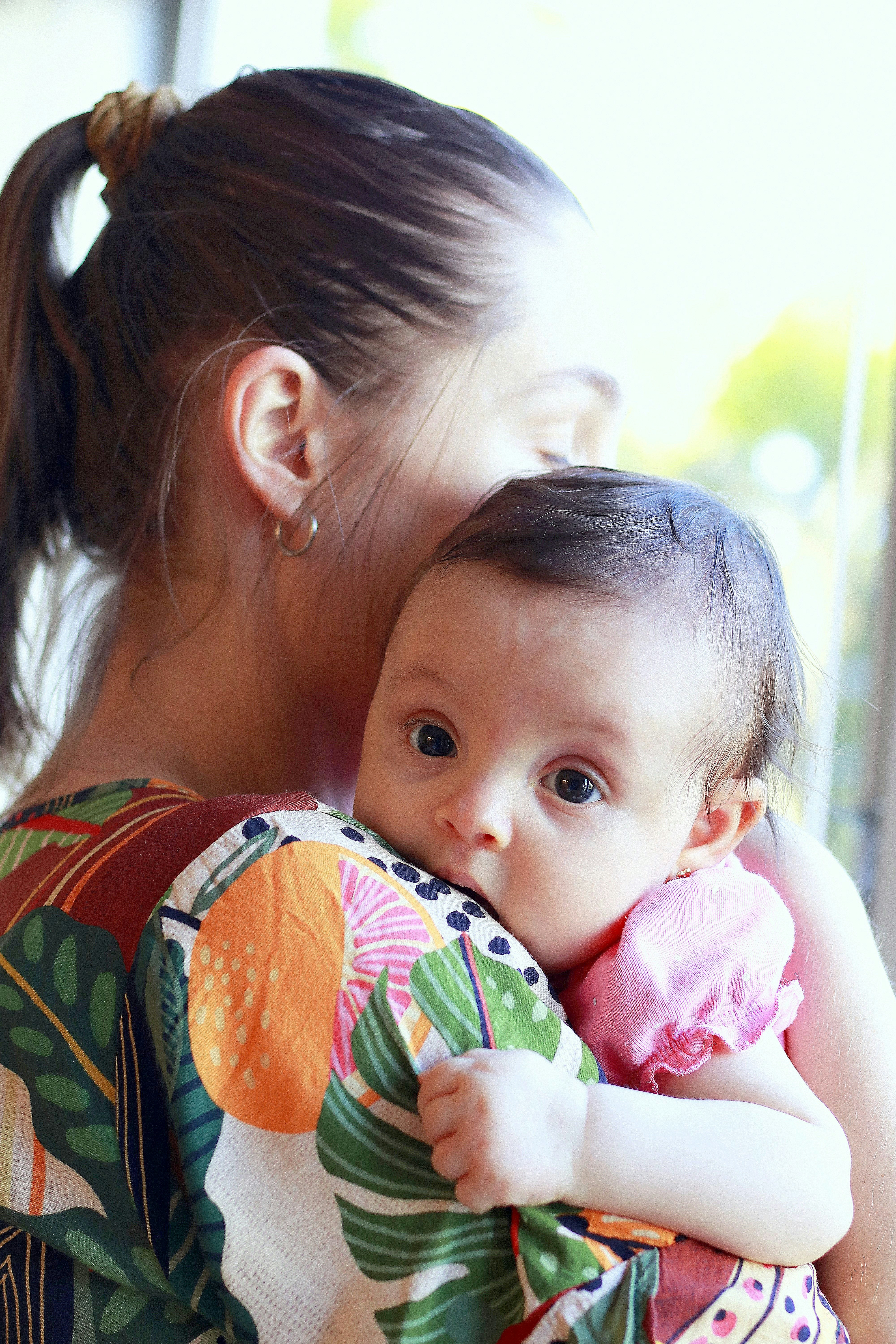
Baby Wakes Up When Put Down in Crib? How to Fix It.
The Crib Transfer: Why Your Baby Wakes Up the Second Their Back Touches the Mattress
It is the ultimate parenting optical illusion. Your baby is fast asleep in your arms. Their body is heavy, their breathing is rhythmic, and they have been out for a solid twenty minutes. Slowly, carefully, you lower them into the crib with the absolute precision of a jewel thief.
The split second their back touches the sheet, their eyes snap wide open. They are awake, they are crying, and you are right back at square one.
If you are trapped in this "ninja transfer" cycle, you are not alone. It is one of the most frustrating, exhausting parts of early parenting. But your baby isn't doing this to manipulate you, and your mattress isn't cursed. It comes down to biology.
Here is exactly what is triggering those sudden wake-ups, and how you can work with your baby's natural instincts instead of fighting them.
1. The Sudden Falling Sensation
When you hold your baby, they feel warm, secure, and tightly enclosed. When you lower them flat into a wide-open crib, that sudden shift in gravity creates a falling sensation. This triggers the Moro reflex—an involuntary survival mechanism that causes their arms to shoot out and their body to startle wide awake.
The Pivot: Never lower your baby completely flat or head-first. Instead, transfer them butt-first, then feet, and finally their head. Keep your hands resting gently on their chest and belly for a full 30 to 60 seconds after they touch the mattress. This allows their nervous system to register that they are still grounded and secure.
2. The Great Temperature Drop
Your arms are a cozy 98.6 degrees. A crib sheet, especially in a cool nursery, can feel like a block of ice by comparison. That sudden transition from your warm body to a freezing surface acts like a tiny alarm clock for a sensitive baby.
The Pivot: Take the chill off the mattress before bedtime. Place a warm (not hot) heating pad or a warm water bottle on the crib sheet while you go through your bedtime routine. Crucial safety step: Always remove the heating pad entirely and check the surface with your own hand to ensure it is comfortably warm—never hot—before laying your baby down.
3. Jumping the Gun on Light Sleep
Babies drift through sleep stages just like adults, but their cycles are much shorter. If you try to transfer your baby during light sleep, they will catch you every single time.
The Pivot: Watch for the "limp doll" sign. In the first 10 minutes of falling asleep, babies are in a light stage where their eyelids flicker and muscles stay slightly tense. Wait about 20 minutes until they enter deep sleep. Their breathing will slow, their face will relax, and if you lift an arm, it will drop heavily without resistance. That is your window.
Moving Beyond the "Drowsy But Awake" Trap
If you have tried everything and your baby still refuses to sleep apart from you, please take a deep breath. Your baby isn't broken, and you aren't doing anything wrong. Independent sleep is a developmental skill that can be nurtured gradually, responsively, and with comfort.
Want to learn more? Book your 30-minute Sweet Dreams Starter Call today and discover how I can help your family enjoy the gift of sleep.
Yours in sleep,
Tracie / Rest Well Baby
www.restwellbaby.com
Tracie Kesatie is a Certified Gentle Sleep Coach dedicated to helping families with little ones 0-10 years of age achieve a restful night's sleep.
Disclaimer: This article provides general information and is not intended as medical advice. Always consult with your pediatrician for any concerns about your child's health.

Blog